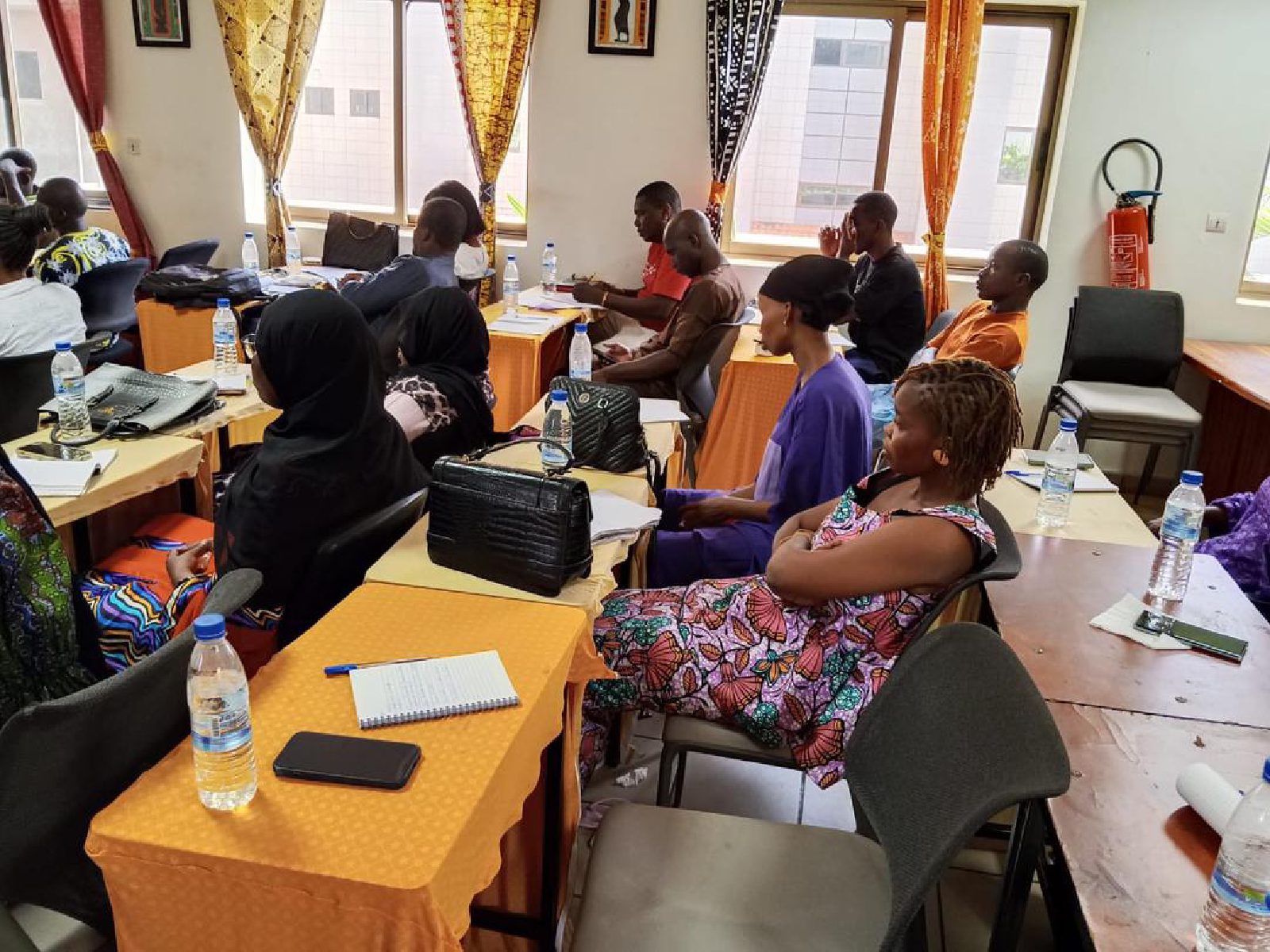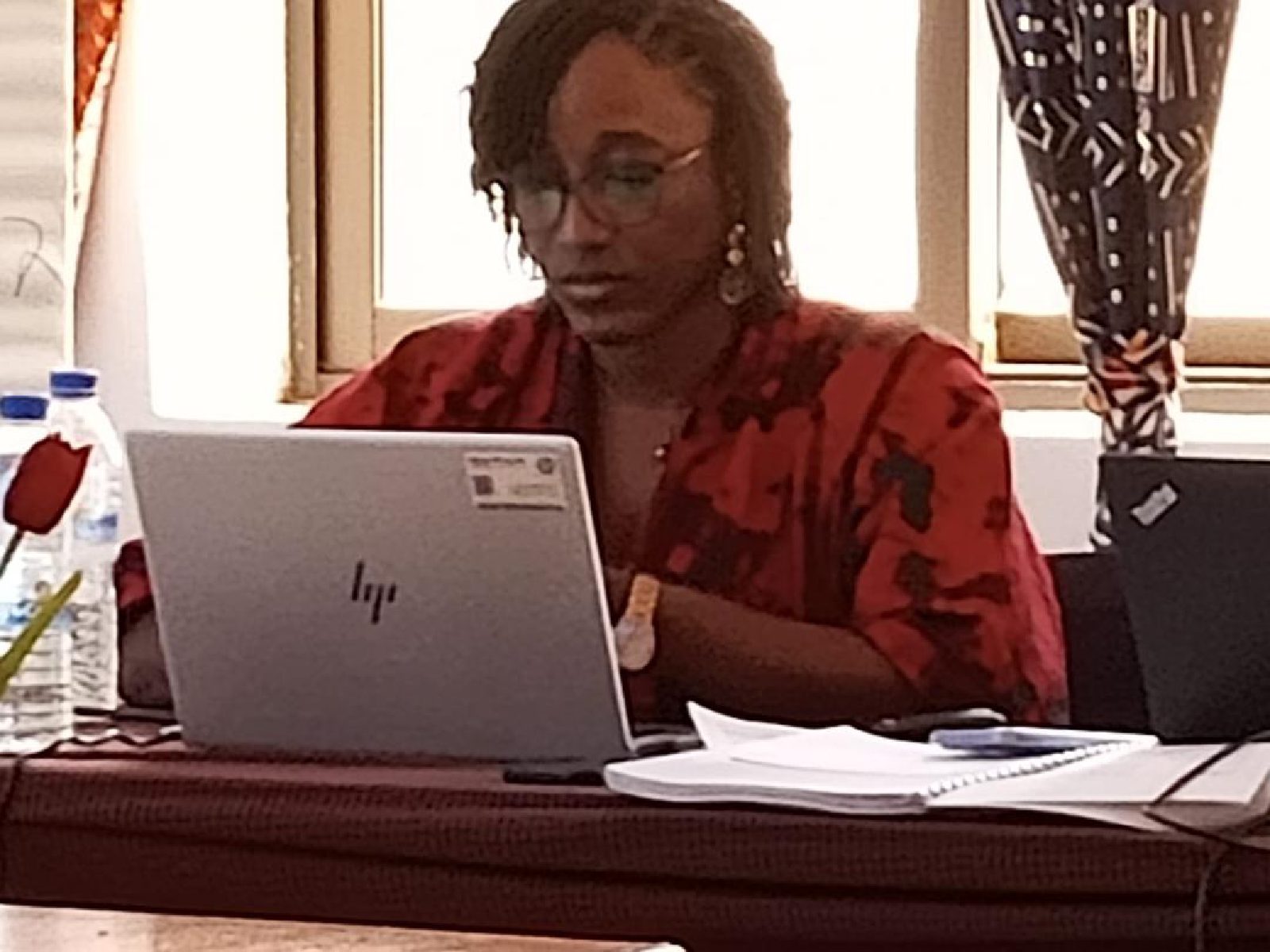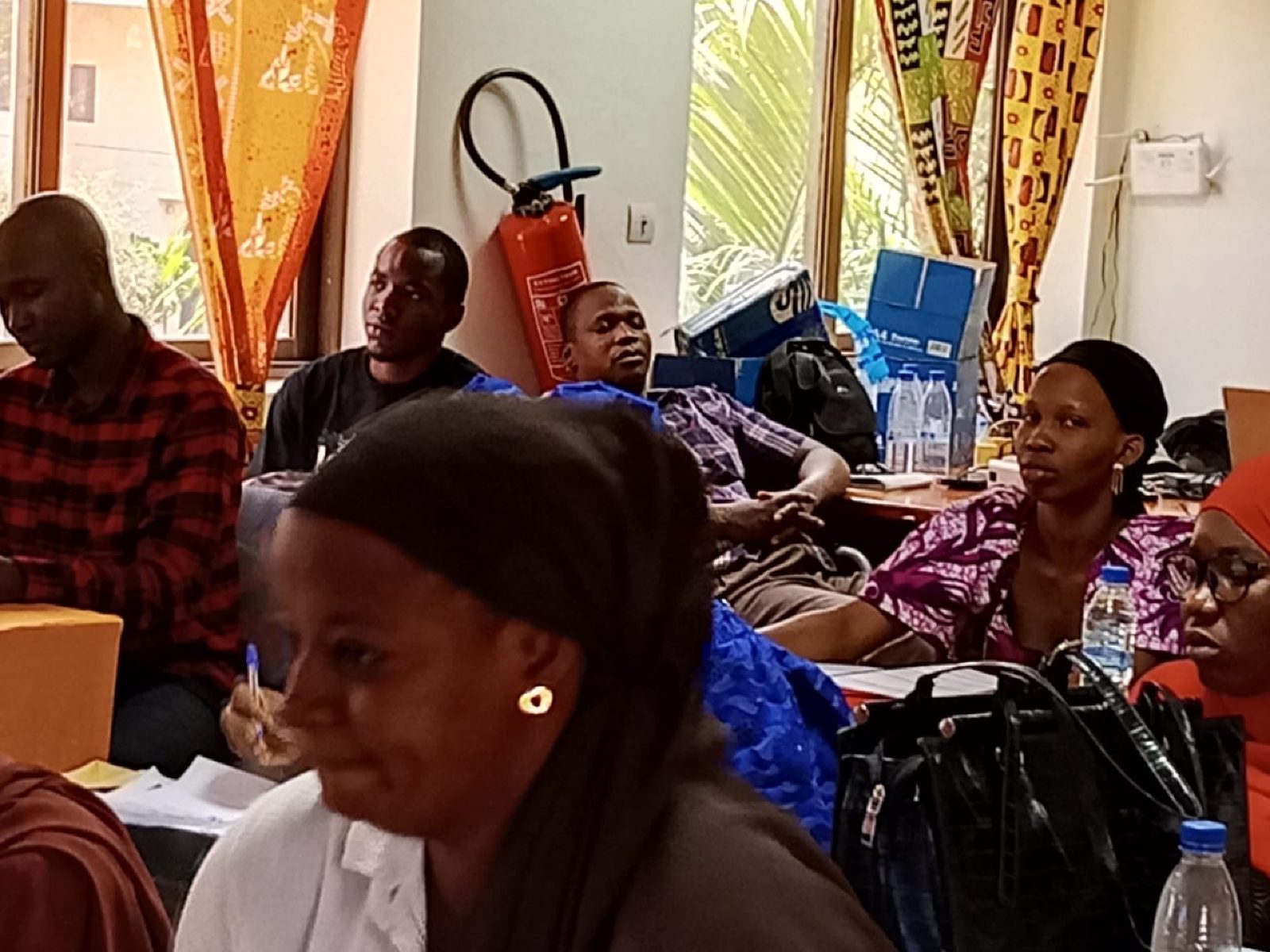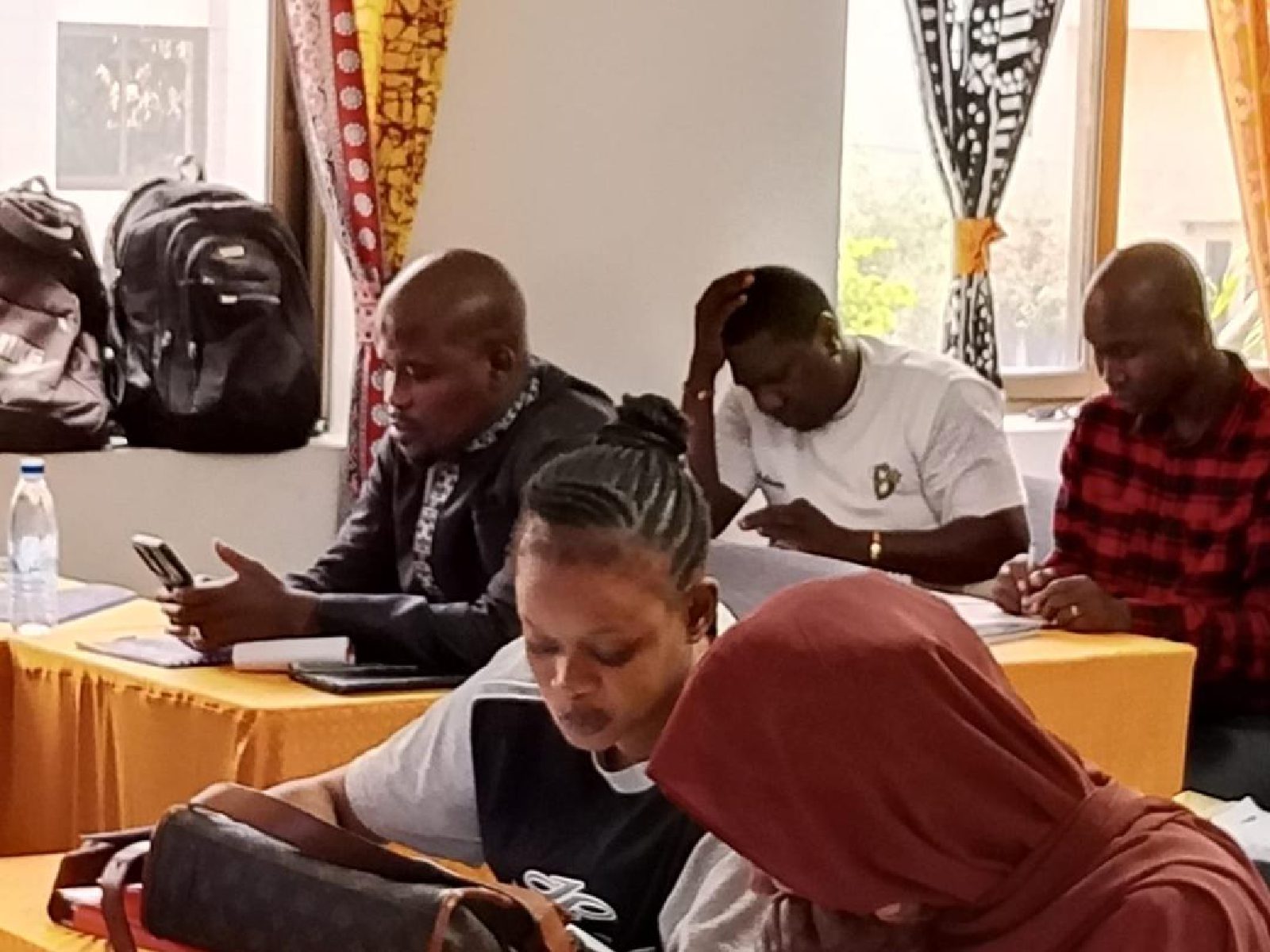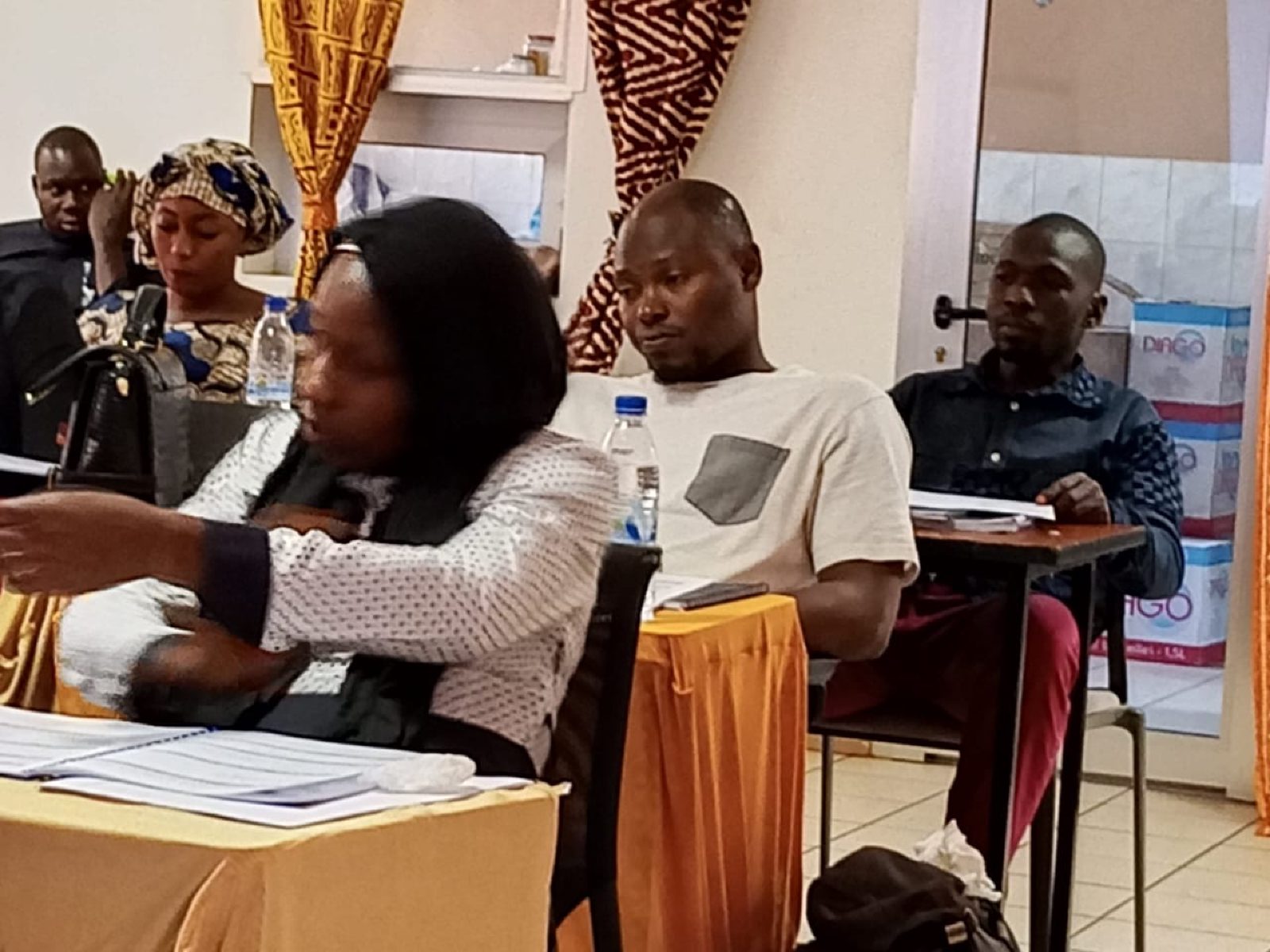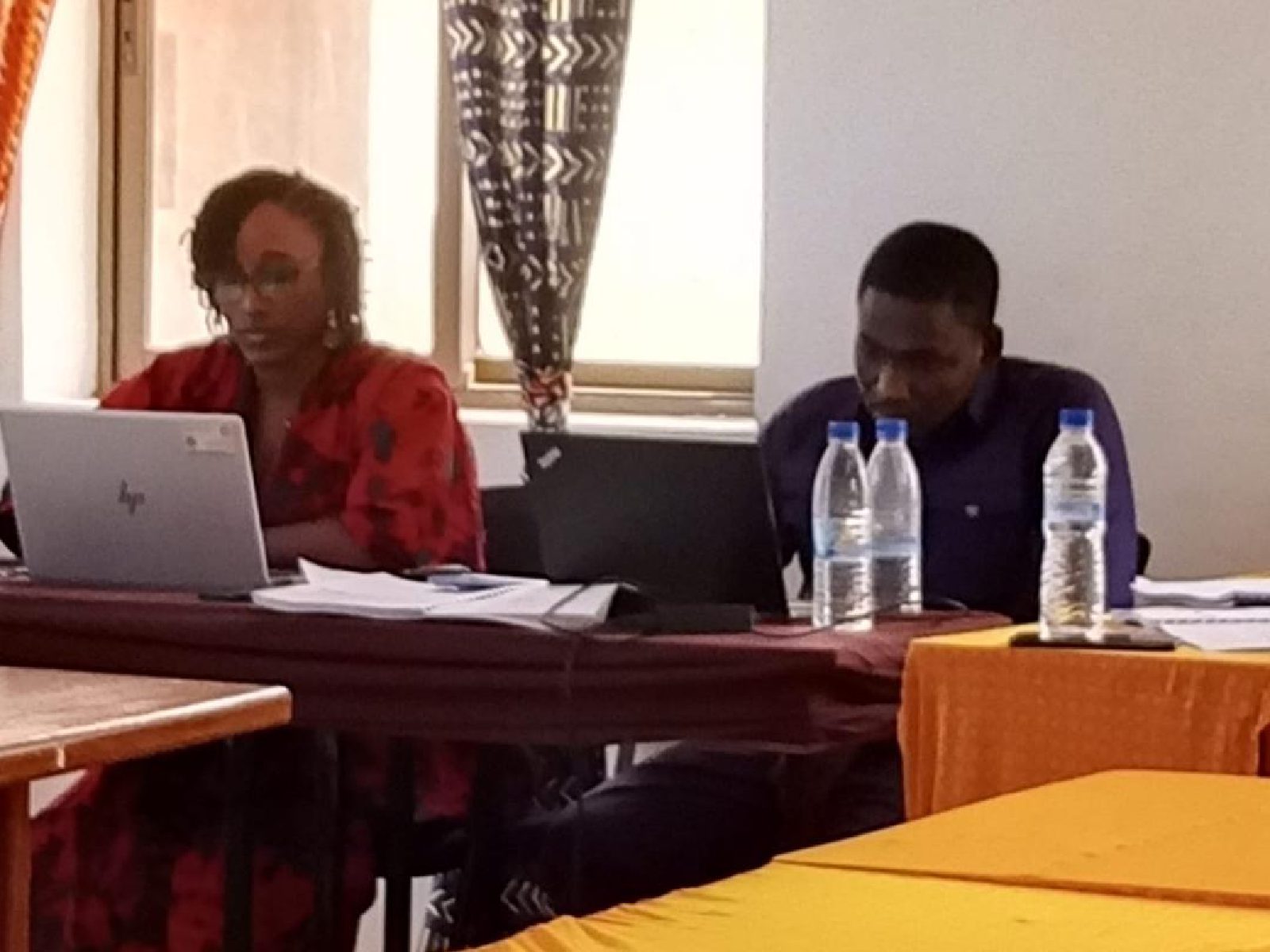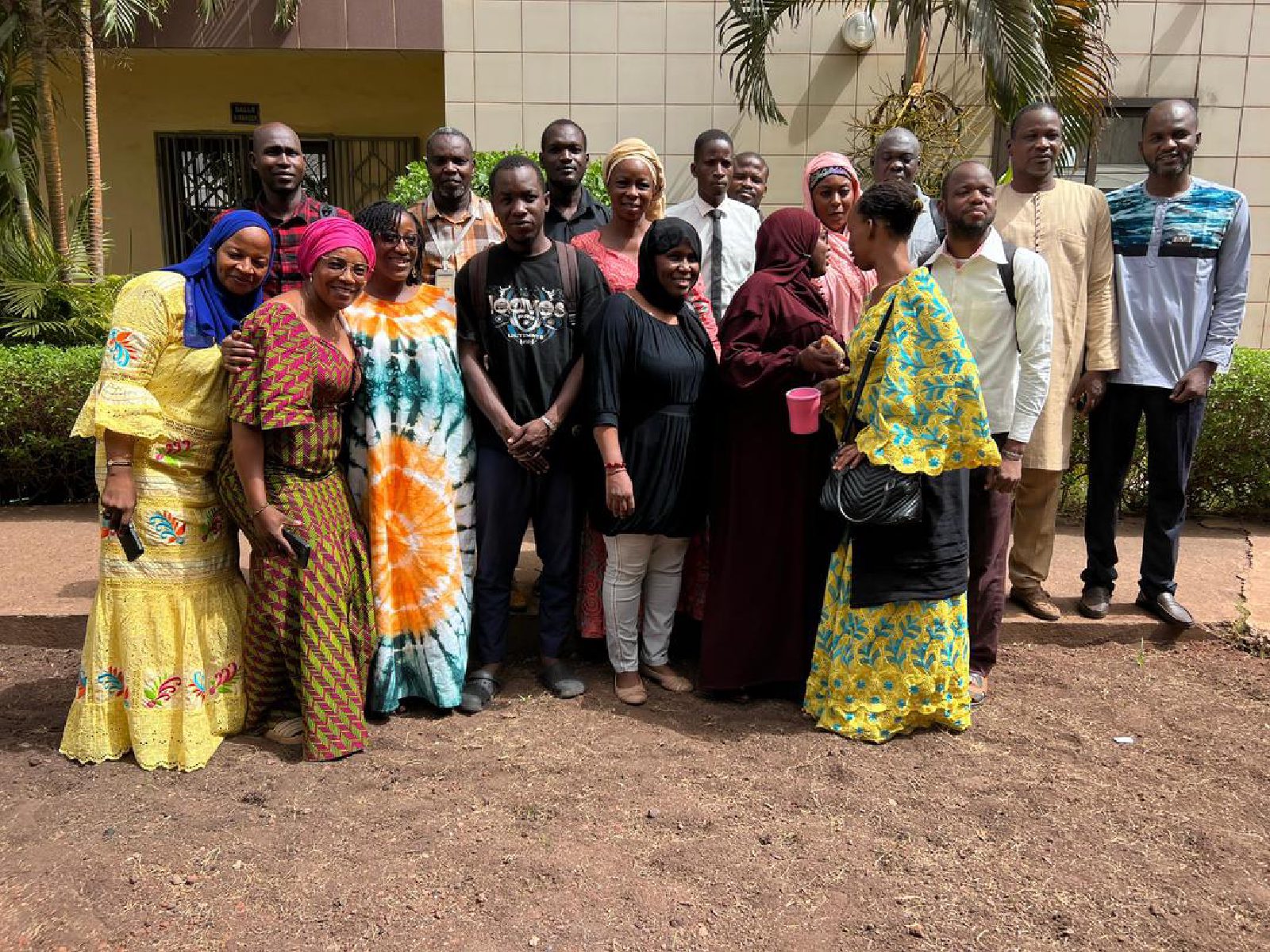
As part of the Multi-Tier Framework (MTF) survey on energy access, Mali 2026, a twenty-day training course was held in Bamako from 4 to 26 May 2026 for the enumerators and supervisors of the household and enterprise modules. Under its service contract with Dalberg Research, Djakoro Prestations SARL was responsible for the operational delivery of the whole training.
Given the security situation, the training combined classroom attendance and remote participation through dedicated training hubs.
Objectives
To equip the field teams with the methodological, technical and interpersonal skills needed for reliable, exhaustive data collection meeting World Bank standards. Specifically:
- master navigation through the questionnaires and their consistency rules;
- ensure data quality through internal control mechanisms;
- harmonise interview practice in French and in Bambara;
- prepare teams for field realities: listing, handling refusals, geographical location.
Three strands
Learning the questionnaires. Systematic, guided reading of the household, community, education and health sections; explanation of the key concepts of energy access (capacity, duration, reliability, quality, legality, safety) and of access tiers 0 to 5; discussion of practical cases specific to the Malian context.
Digital tool. Getting started with Survey Solutions, the World Bank’s data collection application: installation, accounts, questionnaire synchronisation, navigation, error handling, validation, rejection and submission procedures. The supervisors’ role in assigning households, monitoring collection and quality control.
Practical simulations. Mock interviews in French and Bambara, full completion of the household questionnaire on tablet, role plays for the community, education and health questionnaires, and a workshop on listing and enumeration area maps.
Outcomes
By the end of the training, all participants were operational on Survey Solutions and ready for tablet-based collection. The discussions clarified ambiguities in the questionnaires, adapted some wording to the Malian context and established common protocols for recording household members, handling refusals and listing compounds. Enumerators mastered approach techniques, informed consent and confidentiality.
A quality control system, with supervision, selective rejection and mandatory comments, safeguards the reliability of the data collected in the field.
Oversight brought together Dalberg Research, the World Bank and INSTAT. Djakoro Prestations thanks the participants for their commitment throughout these three weeks.